I finally got my hands on the White Submarine Pleco Block, which I had been curious about for a while. I got them used for an incredible price of 200 yen each, or 600 yen for a set of three. The condition isn’t bad, and the cost-performance is excellent.
What is the White Submarine Pleco Block?
The White Submarine Pleco Block is a shelter (spawning tube) specifically designed for plecos. Made of white ceramic, it replicates the dark and narrow spaces that plecos prefer, and is widely used as a spawning tube to encourage breeding. The fine irregularities on its surface are said to help beneficial bacteria colonize, contributing to water quality stability.
It is known as a staple item among pleco keepers, and is said to be particularly compatible with cave-spawning species like the Imperial Zebra Pleco. It is the ideal shelter for eliciting such breeding behavior, where the male takes up residence in the tube, invites the female, and guards the eggs until hatching.
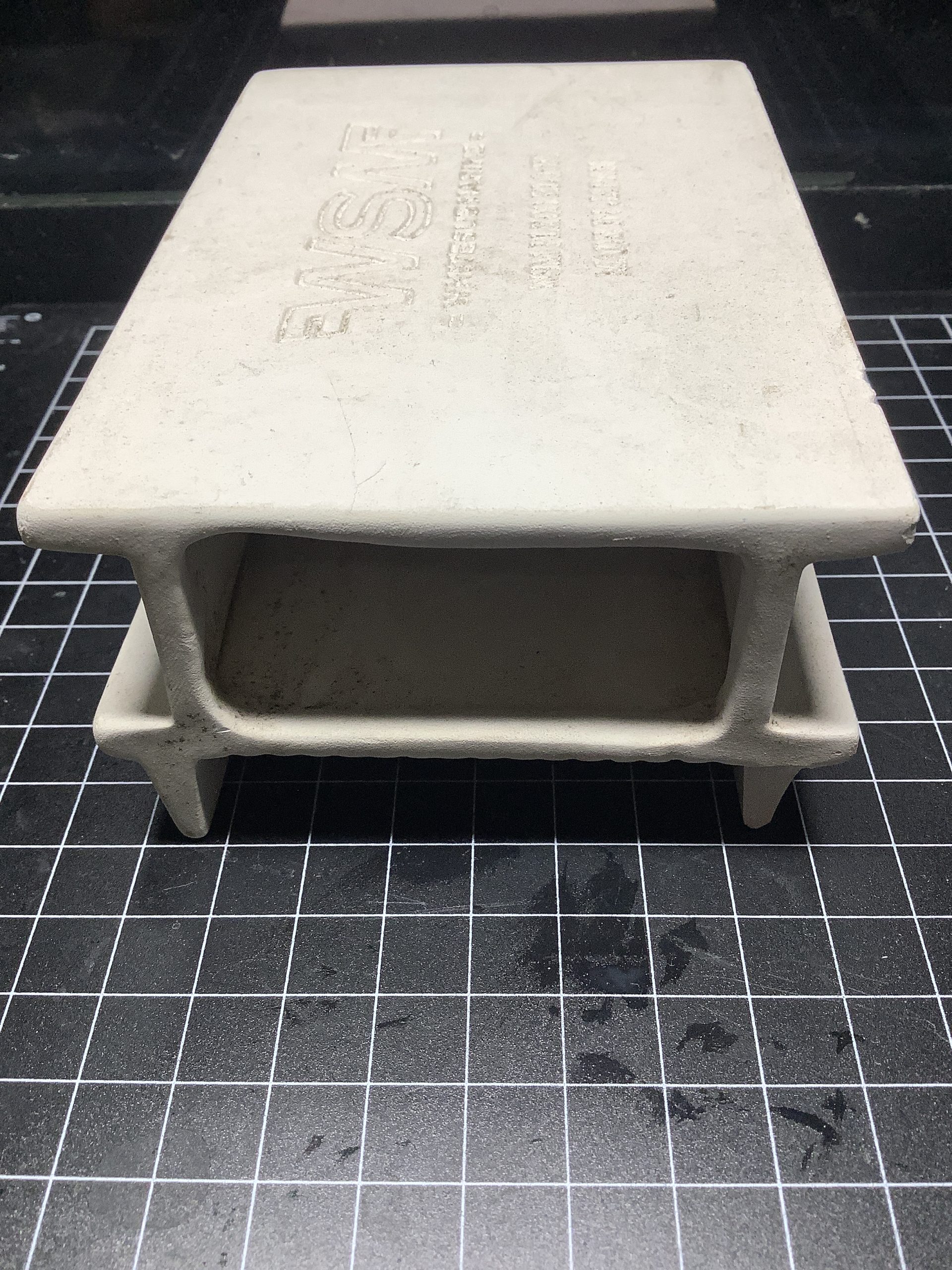
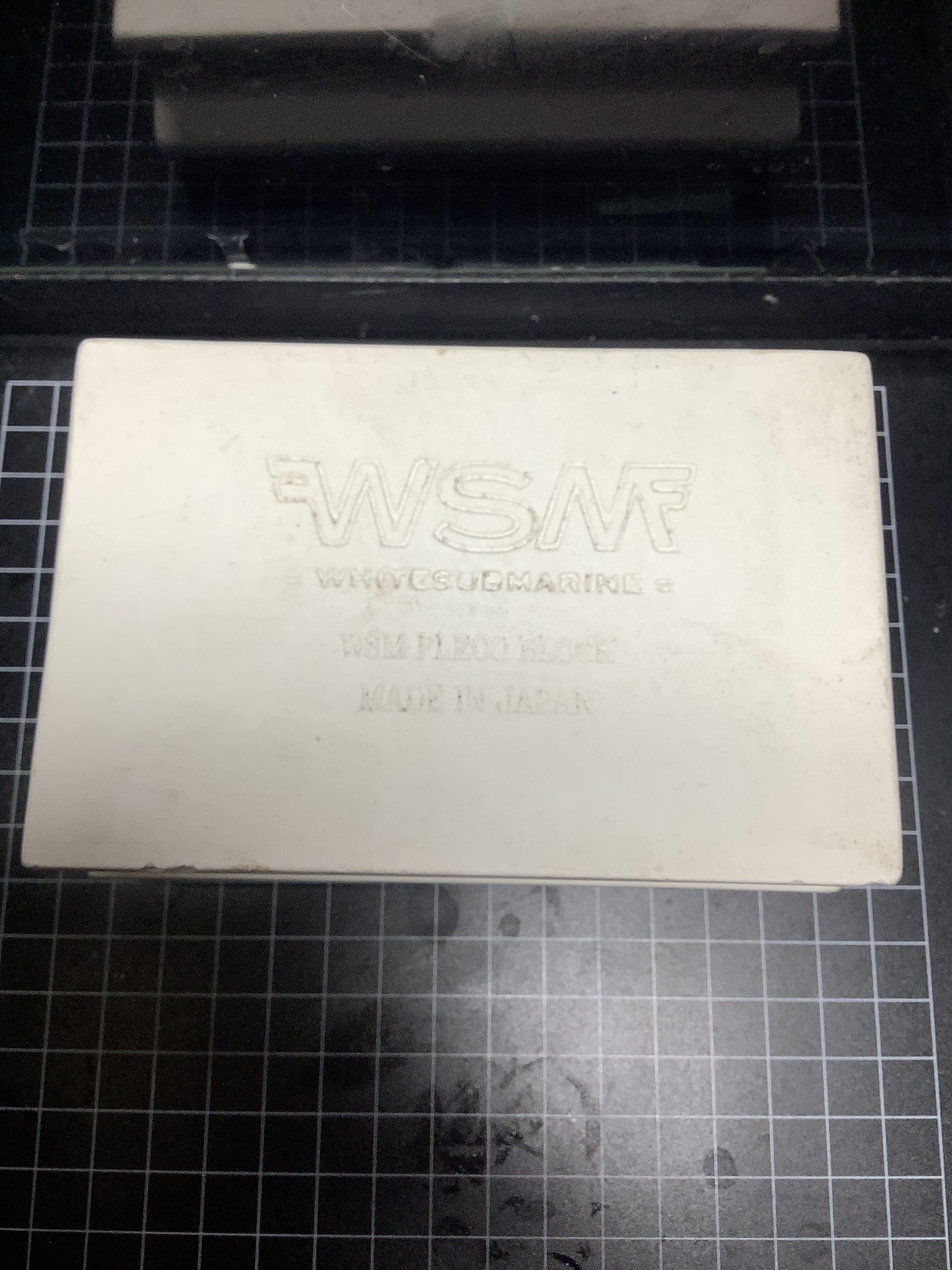
First, Thorough Cleaning with Boiling Water and a Steam Cleaner
Since they are used items, I first made sure to address hygiene thoroughly. First, I sterilized them by boiling in hot water, then I cleaned them by applying high-temperature steam to every corner of the interior with a steam cleaner. I treated all the grooves and fine details evenly. Since used shelters carry a non-zero risk of pathogens and parasites, this extra step is essential.
A steam cleaner is truly convenient for cleaning items with intricate structures, and I feel it’s an essential tool for safely using second-hand aquarium equipment.
Internal Groove Issue — Discovered Risk of Fry Getting Trapped
Upon closer inspection of the interior while cleaning, I noticed **thin grooves at both ends**. These grooves are just the right size for fry to get in and potentially get stuck. Imperial Zebra Pleco fry are extremely small and can squeeze into even the slightest gaps. I determined that putting this into the aquarium as is would be dangerous.
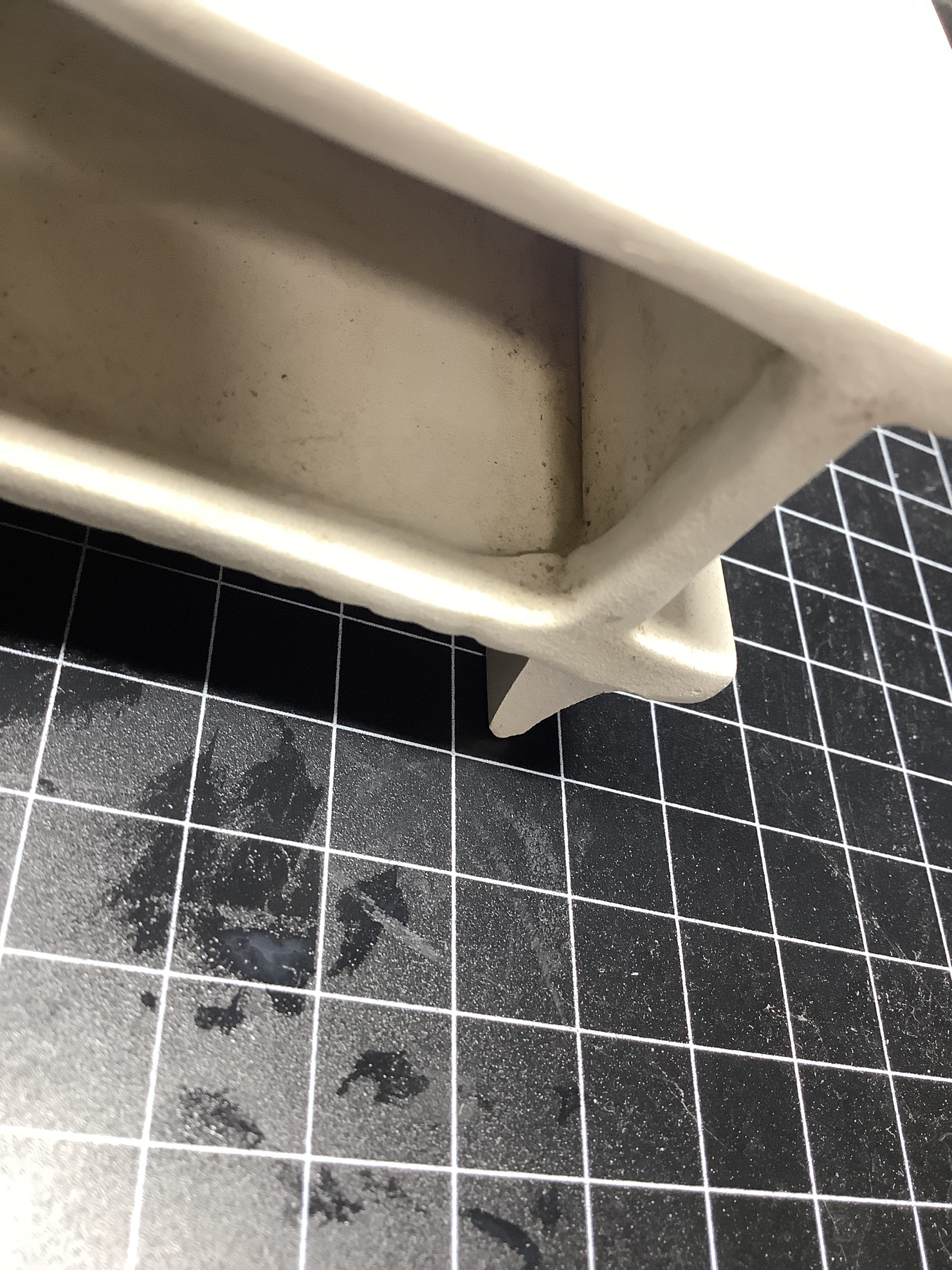
As a countermeasure, I **completely filled the grooves with aquarium-safe silicone sealant**. I used a solvent-free silicone type suitable for aquariums and carefully filled them. It is currently being left to fully cure.
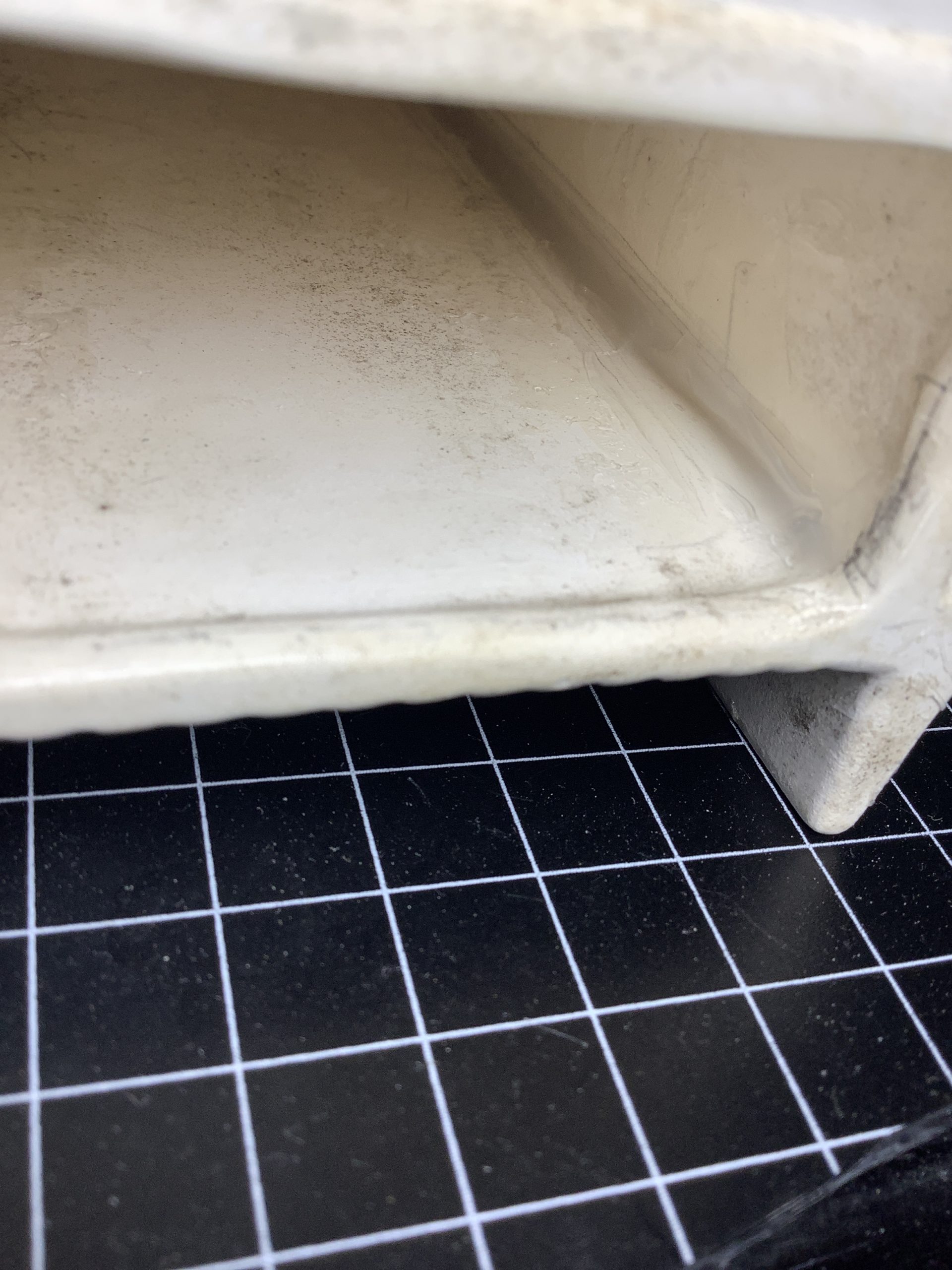
Next Week: tannin removal (soaking) → Planned Introduction to Imperial Zebra Pleco Fry Tank
Once the silicone has fully cured, the next step is **tannin removal (soaking)**. For ceramic products, whether new or used, it’s standard practice to soak them in water for several days for tannin removal (soaking). If the water becomes discolored, replace it, and ensure thorough tannin removal (soaking) before introducing it to the aquarium.
The aquarium where it is planned to be introduced is the **tank that should contain Imperial Zebra Pleco fry**. The aim is to reduce stress and increase survival rates by providing more secure hiding places for the fry. Furthermore, I intend to utilize it as a breeding shelter for adult fish in the future.
Conclusion
It was lucky to get a classic shelter for just 200 yen used. However, it’s crucial to properly handle the tasks unique to used items—cleaning, groove treatment, and tannin removal (soaking). Rushing to put it into the tank and potentially harming the fry would be counterproductive, so I am proceeding carefully with the preparations. I will report on the condition of the fry after introduction in a future article.
コメント